Top Foods That Are Good for Teeth and Gums


Written by Dr. Shivani

A healthy diet plays an important role in maintaining strong teeth and healthy gums. Foods rich in calcium, such as milk, cheese, and yogurt, help strengthen tooth enamel, while crunchy fruits and vegetables like apples, carrots, and celery stimulate saliva production and naturally clean teeth. Leafy greens provide essential vitamins that support gum health, and nuts and seeds supply minerals that protect enamel. Additionally, foods high in vitamin C, such as citrus fruits and berries, help maintain strong gums and reduce inflammation. Including these tooth-friendly foods in your daily diet supports better oral health and helps prevent cavities and gum disease.

Top Foods That Are Good for Teeth and Gums

What you eat affects more than just your energy levels; it directly impacts your teeth and gums. While brushing and flossing are essential, your daily food choices play a powerful role in keeping your mouth healthy. Certain foods help strengthen enamel, protect gums, and reduce harmful bacteria, while others quietly increase the risk of cavities and gum problems.

Patients often ask whether food choices really make a difference to oral health. The answer is yes, consistently choosing the right foods can support stronger teeth, healthier gums, and fewer dental problems over time.


Why Food Matters for Oral Health

Your mouth is the first stop in the digestive process. Everything you eat interacts with your teeth, gums, and saliva.

Foods can:


Strengthen tooth enamel


Support gum tissue repair


Stimulate saliva (your mouth’s natural defence)


Reduce acid and bacterial growth


Supply essential minerals for teeth

A balanced diet supports oral health just as much as it supports overall wellness.


Essential Nutrients for Strong Teeth and Gums

Before looking at specific foods, it helps to understand what nutrients your mouth needs most.

Key Nutrients That Support Oral Health


Calcium – strengthens enamel and jawbone


Phosphorus – helps repair enamel


Vitamin D – improves calcium absorption


Vitamin C – supports healthy gums and healing


Protein – repairs tissue and maintains oral structures


Water – cleanses the mouth and stimulates saliva

Foods rich in these nutrients are naturally good for your teeth and gums.


Top Foods That Are Good for Teeth and Gums

Dairy Products (Milk, Cheese, Yogurt)

Dairy is one of the best food groups for oral health.
Benefits:


High in calcium and phosphorus


Strengthens tooth enamel


Helps neutralize acids in the mouth


Cheese stimulates saliva production

Plain, unsweetened yogurt is especially beneficial due to its probiotic content.

Leafy Green Vegetables

Vegetables like spinach, kale, and lettuce are packed with vitamins and minerals.
Benefits:


Rich in calcium and folic acid


Supports gum health


Low in sugar


Promotes saliva flow

They are easy on teeth and help keep gums strong.

Crunchy Fruits and Vegetables

Apples, carrots, cucumbers, and celery are often called “nature’s toothbrush.”
Benefits:


Help clean tooth surfaces


Stimulate saliva


Low acidity


Provide fibre and vitamins

While they don’t replace brushing, they support natural cleaning.

Nuts and Seeds

Almonds, walnuts, sesame seeds, and pumpkin seeds are excellent for oral health.
Benefits:


High in calcium and healthy fats


Low in sugar


Low in sugar


Support enamel strength


Provide minerals essential for gums

They also encourage chewing, which increases saliva.

Eggs

Eggs are rich in vitamin D and protein.
Benefits:


Improve calcium absorption


Support tooth development


Help maintain gum tissue health

They are especially useful for people who struggle to get enough vitamin D.

Fatty Fish

Fish like salmon and sardines are rich in omega-3 fatty acids.
Benefits:


Reduce gum inflammation


Support bone health


Improve gum attachment to teeth


Omega-3s are linked to a lower risk of gum disease.

Green and Black Tea (Without Sugar)

Tea contains natural compounds that fight bacteria.
Benefits:


Reduce harmful oral bacteria


Help control plaque


Support gum health


Avoid adding sugar to maintain benefits.

Water

Water is often overlooked, but it is essential for oral health.
Benefits:


Washes away food particles


Keeps the mouth hydrated


Supports saliva production


Reduces acid buildup

Drinking water throughout the day is one of the simplest ways to protect teeth.


Foods That Support Gums Specifically

Healthy gums require good circulation and tissue strength.

Gum-Friendly Foods Include:


Citrus fruits (in moderation)


Bell peppers


Berries


Tomatoes


Broccoli

These foods provide vitamin C, which is essential for gum repair and resistance to infection.


Foods to Limit for Better Oral Health

Knowing what to limit is just as important as knowing what to eat.

Try to reduce:


Sugary snacks and drinks


Sticky foods that cling to teeth


Highly acidic beverages


Frequent snacking without rinsing

These increase acid exposure and bacterial activity.


Daily Diet Tips for Healthier Teeth and Gums

Simple habits make a big difference.
Practical Tips:


Eat balanced meals instead of frequent snacks


Drink water after meals


Pair acidic foods with neutral foods


Choose whole foods over processed snacks


Avoid brushing immediately after acidic foods

These habits reduce enamel stress and support gum health.


Quick Food Guide for Teeth and Gums

Food Type Benefit
Dairy
Stronger enamel
Leafy greens
Healthier gums
Crunchy produce
Natural cleaning
Nuts & seeds
Mineral support
Fish
Reduced inflammation
Water
Mouth cleansing


You Might Also Enjoy...

How Does Invisalign Move Teeth? (The Science Behind It)

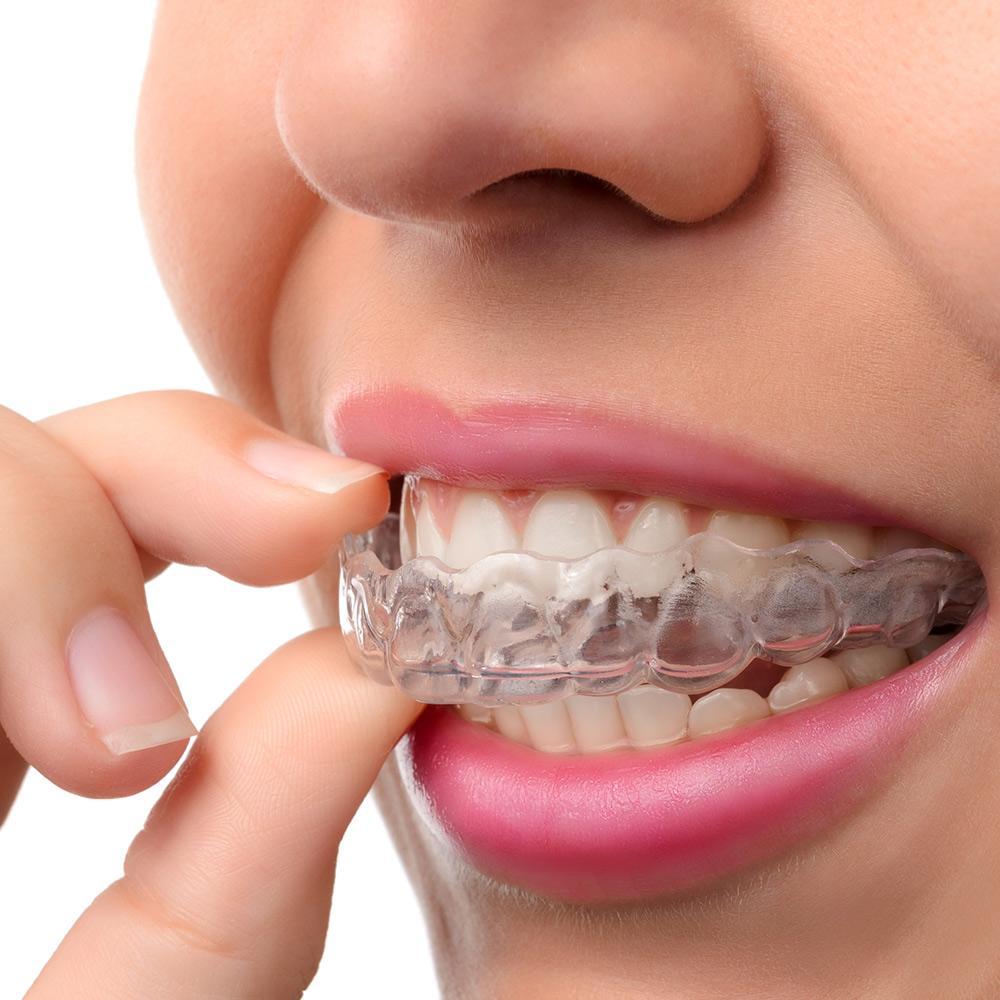
Invisalign uses custom-made, clear trays crafted from SmartTrack material to gently shift your teeth into their ideal position. You switch to a new set of uniquely designed aligners every one to two weeks to gradually achieve your final smile.

Is Mouthwash Bad for Your Health?

Mouthwash isn’t inherently bad, but overusing it or using certain formulas (especially alcohol-based or harsh ingredients) can cause side effects like dry mouth, irritation, or tooth staining, so it’s optional and not a substitute for brushing and flossing